2021
[Forward]
Over time, artists have made self-portraits. Nothing new under the sun. It all starts with small anatomy exercises: the nose goes here, the mouth goes here, under the chin, there is an eye between the two eyes… Finally, it evolves into an attempt to express. About themselves. About the world. Other artists do not feel the need to create self-portraits. They have something else to convey.
Art has always been a way of expressing oneself or one’s own views towards the world at large. Ancient Greek or Roman art, which created sculptures or paintings in honor of the gods, was to some extent (if not to the greatest extent) devoted to the human aspect. Religious art depicted Jesus as a man, whose face changed over the centuries to reflect what was considered most “godly” at the time. Impressionist or Expressionist art.
At some point, artists began to paint themselves. Self-portraits are an easy way to practice proportions and anatomy, to study yourself by trying to reproduce on canvas how you see yourself. Pre-20th century art has self-portraits that are a fairly accurate representation of the artist’s actual physical appearance. As time went on, the art evolved. Artists began to think outside the lines – even when it came to figurative art (which previously didn’t stray too far from the actual subject).
We can see this evolution in self-portraits not only throughout history, but also in the evolution of self-portraits of the same artist. Picasso’s slow descent into Cubism throughout his career is a major example that comes to mind. Van Gogh’s self-portraits are also a good example of documenting one’s own appearance – or perceived appearance. Frida Khalo used her self-portraits to document her life, her own history.
I think there is a connection in what they did. Of course, when you create a self-portrait, it’s an obvious cry: “This is me! This is my reflection!”. I think all art is a reflection of the artists. Whether it’s a landscape or a commission for a high-ranking official, each individual artist brings something that is their own. Some may call it “style,” but styles are always changing, so ultimately it’s simply their way of saying, “This is how I see things.” Through self-portraiture, artists make style more obvious to the viewer. A gentler push to recognize that we will never truly understand someone else’s perspective, but we can try.

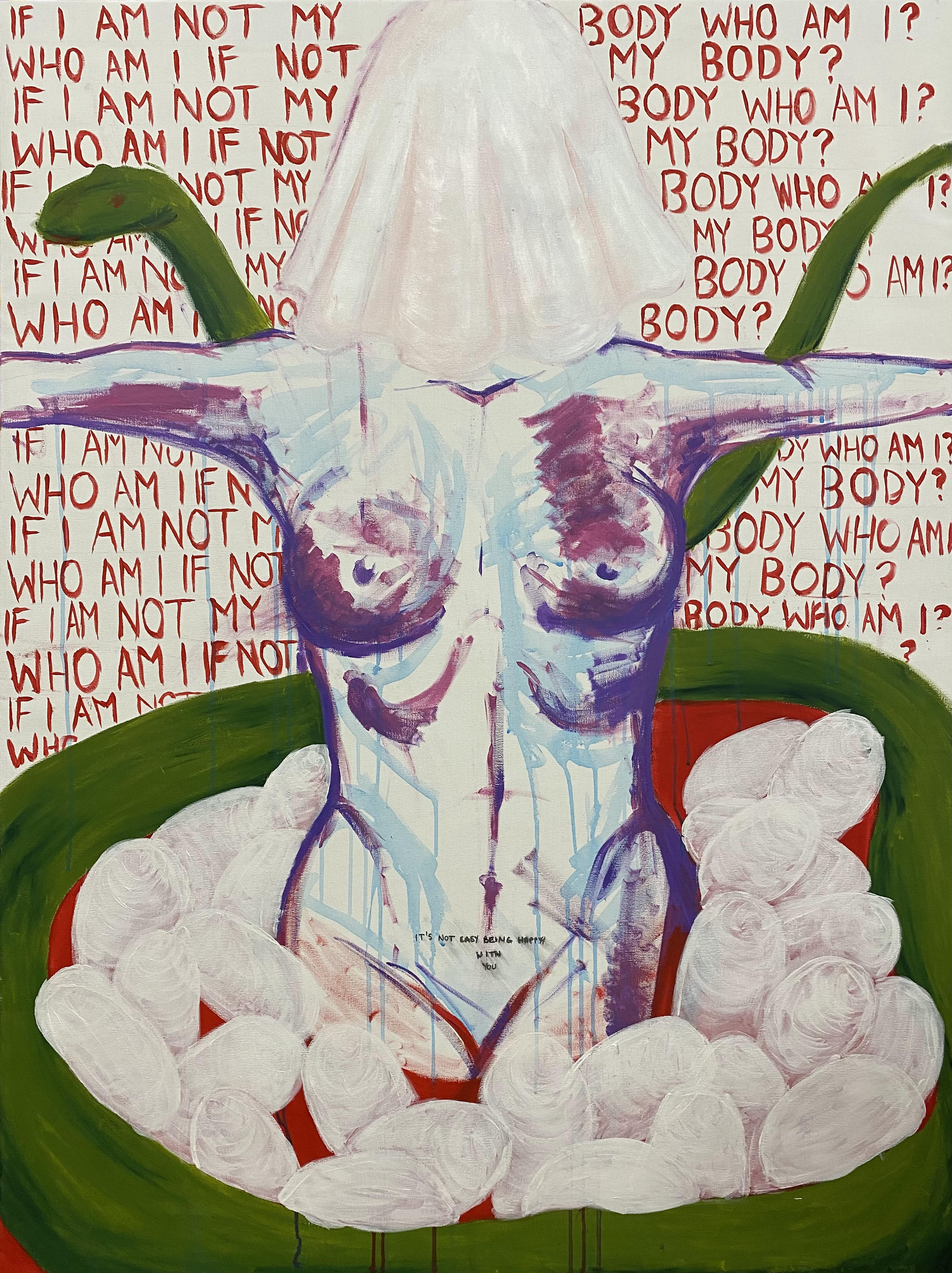
When I was faced with the reality that it was time to choose my dissertation topic, I panicked. What could I create that expresses my artistic ability, invites discussion on topics that relate to other artists, and also says what I want to say?
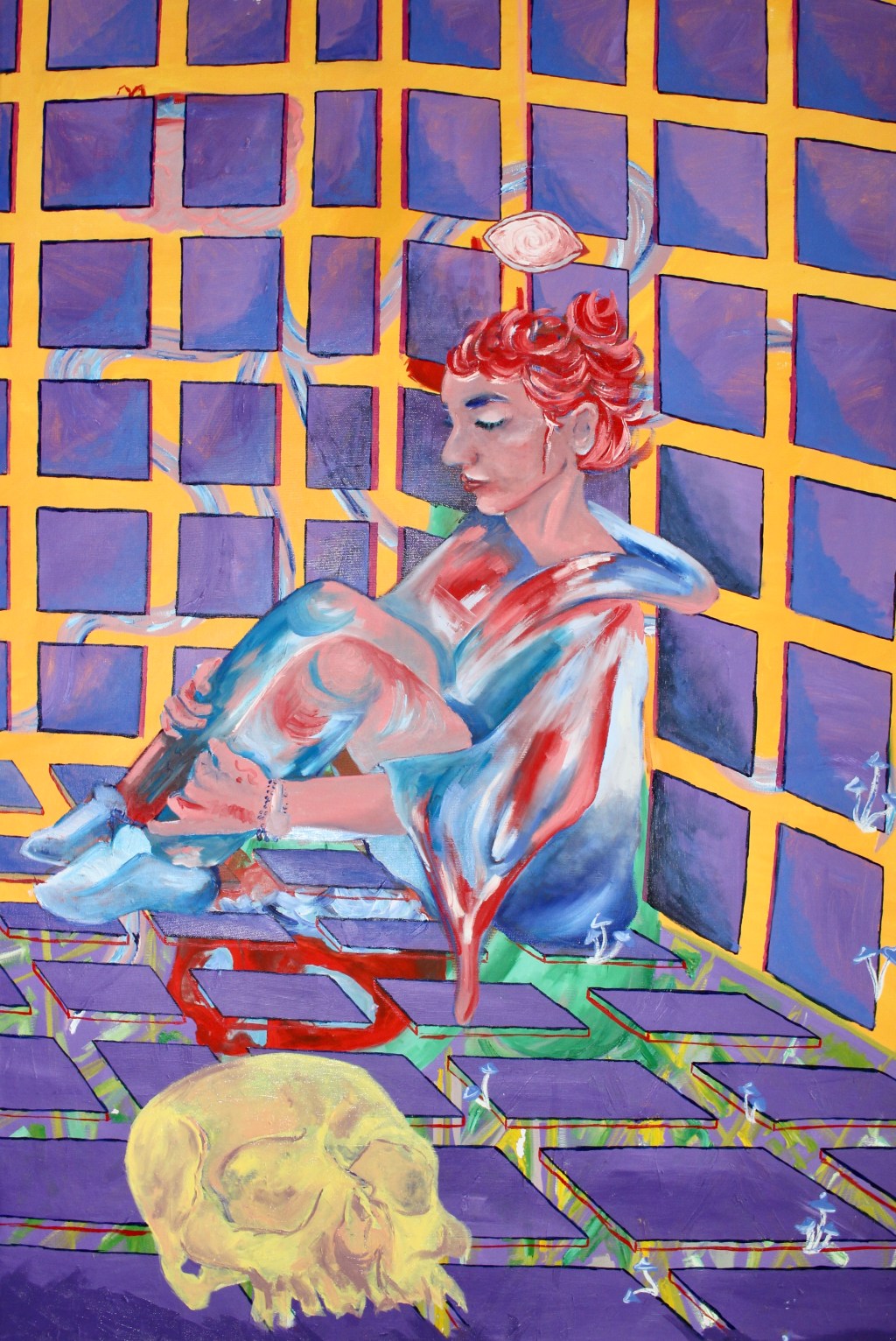
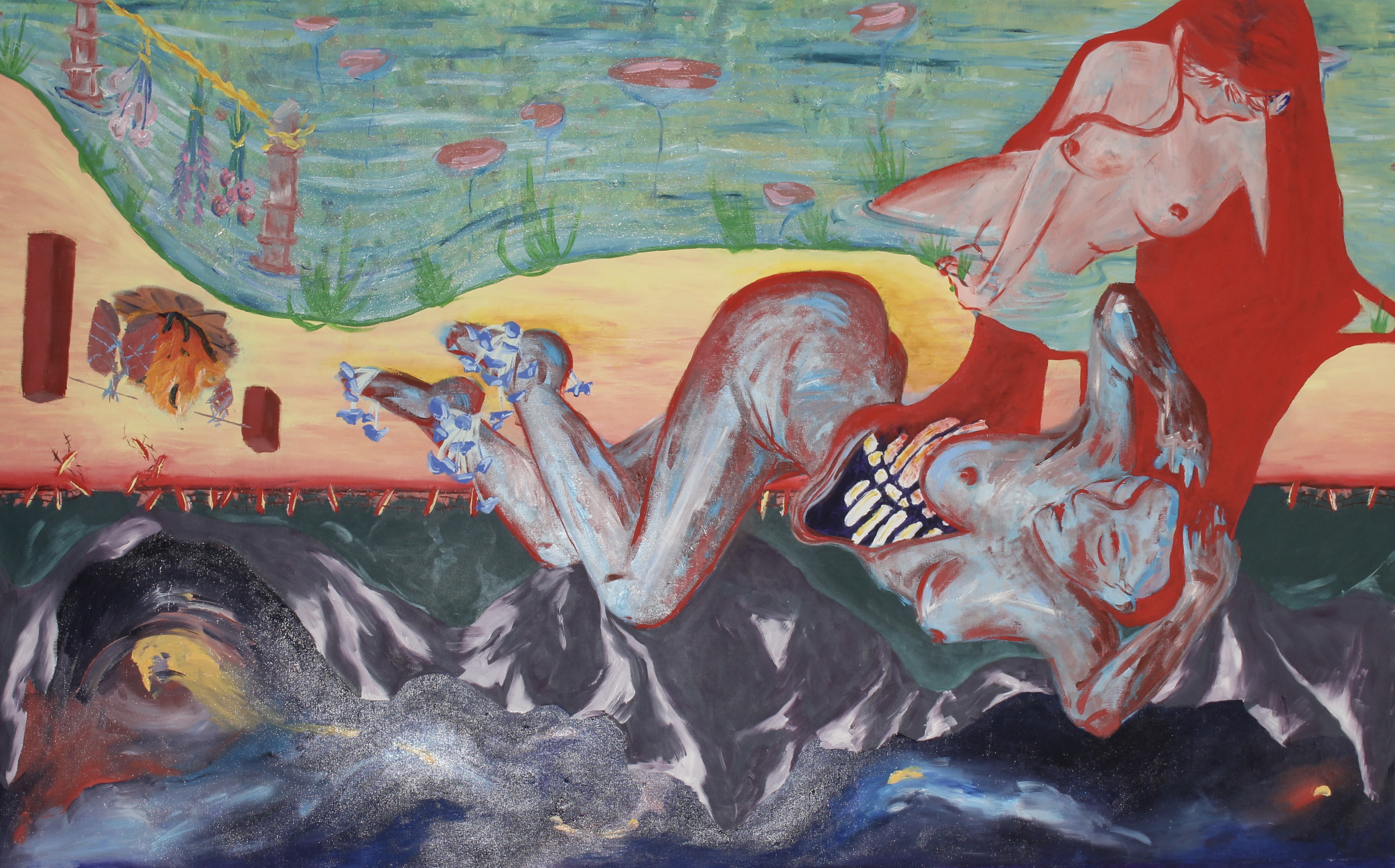
I knew that I wanted my final project, which builds up the last three years of study, to be a true expression of myself and what I have become as an artist. This conclusion was easy to draw, but how to put it into motion? Never in the past three years have I stayed true to one thing and one thing only. I jumped from figurative to abstract, from portraits to landscapes. I realized that I don’t really know myself as an artist. That was my aha moment. I thought about the artists I admired and how they spoke about themselves through self-portraits. They painted how they saw themselves in this world. I would like to do the same.
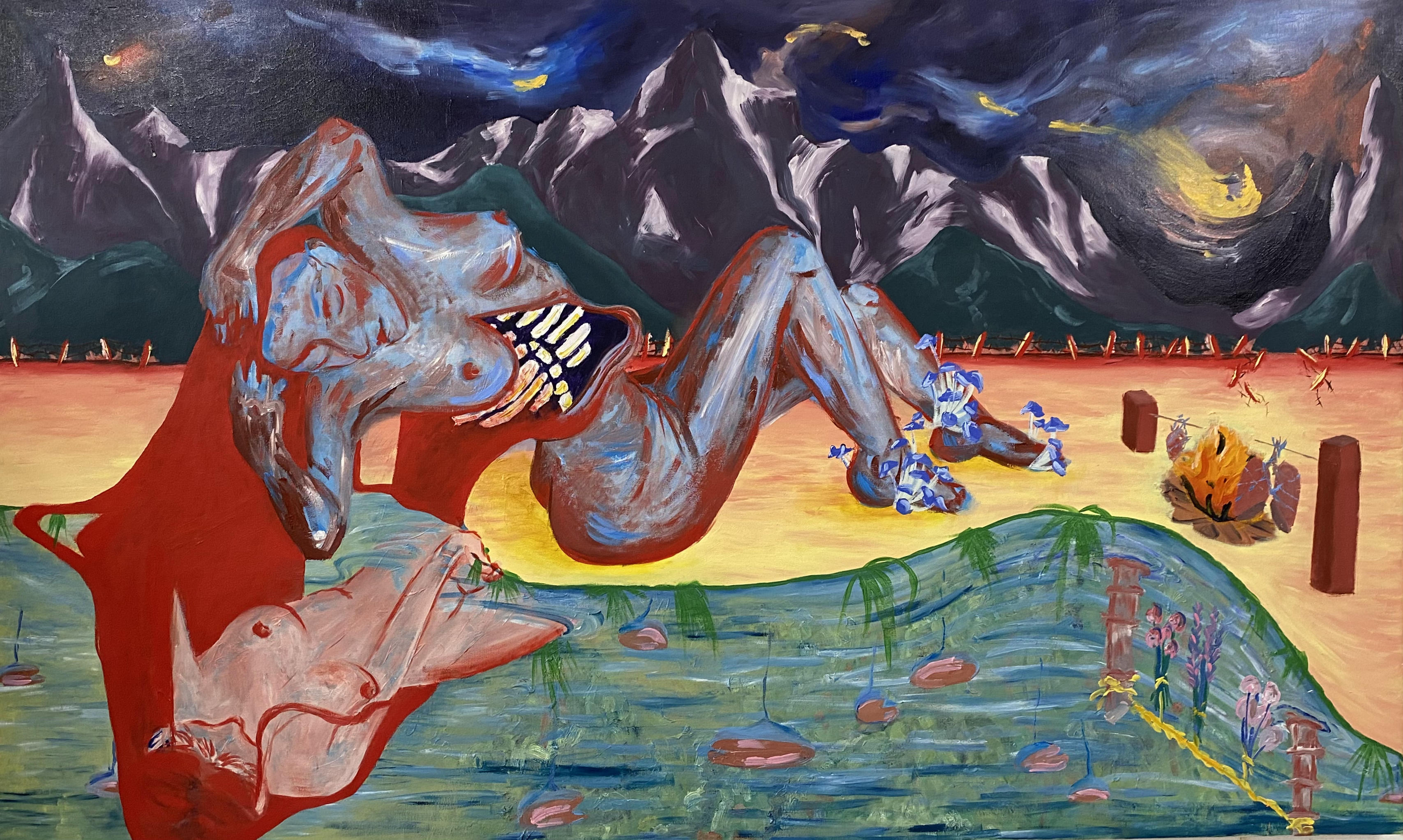
 MARIA MICHAELA

Leave a comment